
No Fees Unless We Win
No Fees Unless We Win

Seek medical care, report the bite to local animal control, and collect the owner’s name, address, and insurance details. Washington dog owners are strictly liable for bites, and most injury claims must be filed within three years.
A dog bite leaves you with two jobs at once: healing and keeping your options open. What you do in the first days, from reporting the bite to saving records, often shapes how an insurance company views the claim later. This guide covers the steps that matter for a dog bite claim in Washington, in the order most people face them.
Washington places strict liability on the owner, so you do not have to prove the dog had previously bitten anyone. That rule is covered in detail on our Washington dog bite law page. If a dog has injured you or a family member, a Washington dog bite attorney at Colburn Law can review what happened and explain your legal options.
The priority is your health, and the second is a record of what happened. Those two goals overlap, because treatment records double as evidence.
Medical care matters because a provider’s records document the injury on the day it happened. An insurance adjuster reads those records to decide whether the wound came from the bite, so gaps in treatment give the insurer room to dispute the link.
Our article on diseases dog bites carries explains why providers screen for infection. Follow your provider’s instructions and keep every discharge paper and bill.
Collect the owner’s full name, address, phone number, and the dog’s name and description. Ask for the name of the owner’s insurance company if the owner will share it. If the owner refuses, a neighbor, a landlord, or a witness may know who the dog belongs to.
Photos and videos provide essential evidence in a dog bite claim. Photograph the wound immediately and as it heals, and document the location, time, and circumstances of the attack. Collect contact information from all witnesses before they leave.
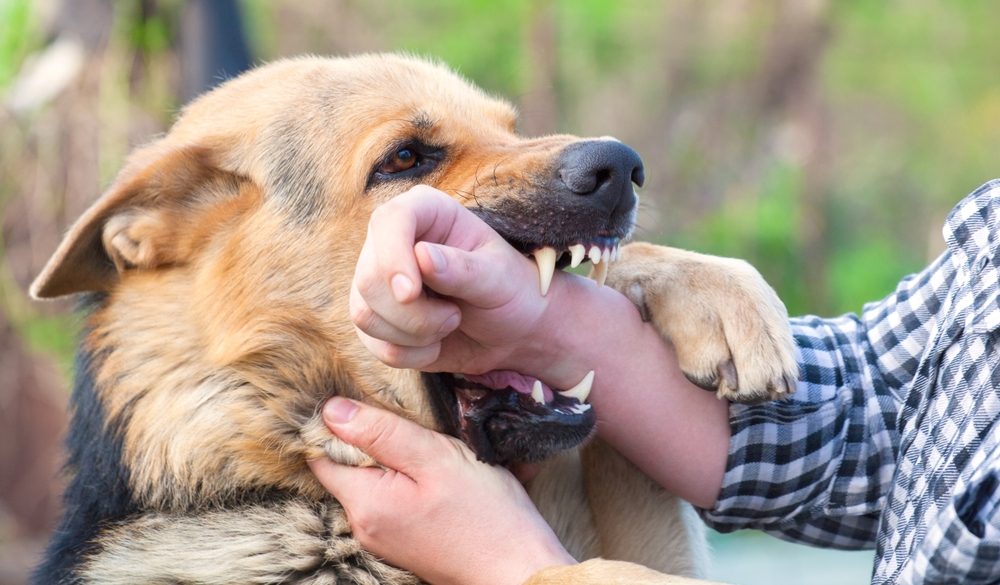
Washington has no single statewide bite report. You report to the animal control agency for the city or county where the bite happened, and the agency depends on the address.
Our guide to reporting a bite in Seattle walks through that process in more detail.
An official report places the date, the location, and the dog’s identity in a record that neither side wrote for litigation. It can also start an agency review of the dog. In Washington, a dog that severely injures a person without provocation can be classified as a dangerous dog under RCW 16.08.070, which triggers owner requirements.
Under RCW 16.08.040, the owner of a dog that bites a person is liable for the person’s damages when the bite happens in a public place or when the person is lawfully on private property, including the owner’s. The statute applies regardless of whether the owner knew the dog was dangerous.
Compensation typically comes from the owner’s homeowner’s or renter’s liability policy rather than from the owner directly. Adjusters often request a recorded statement early, and your responses directly impact the claim. Our article on insurance and dog bites explains key coverage factors.
The primary defense is provocation. Under RCW 16.08.060, proof that the injured person provoked the attack is a complete defense. Insurers frequently assert this defense in cases involving children, making a precise record of the events preceding the bite essential.
Washington follows a pure comparative fault rule under RCW 4.22.005. If a jury finds you partly responsible, your damages are reduced by your share of fault, and you can still recover the rest. A claim does not end simply because an owner points a finger at the injured person.
A dog bite claim relies on documentation. The table below outlines the essential records to gather and the specific questions each record resolves for an adjuster.
| Record | Examples | Question it answers |
|---|---|---|
| 1Medical | Visit summaries, bills, and prescriptions | What was the injury and what did it cost? |
| 2Visual | Photos of wounds, torn clothing, the scene | How serious was the attack? |
| 3Official | Animal control report number, police report | Who was the dog’s owner and what happened? |
| 4Financial | Pay stubs, notes from your employer | How much work did the injury cost you? |
| 5Personal | A dated journal of pain and daily limits | How has the injury changed your life? |
Keep these documents together in a dedicated file so they are readily available for your legal consultation.
You have three years from the date of the bite to file a personal injury lawsuit in Washington under RCW 4.16.080. Specific exceptions and tolling rules can modify that deadline based on the facts of your case.
 Washington does not count the time a person is under 18 against the filing deadline, so a bite to a child may have a longer window than a bite to an adult. A parent still has reasons to act sooner, since evidence and memories fade.
Claims against a city, county, or the state follow separate pre-suit steps in Washington, which include presenting a claim and waiting before filing suit. If a landlord or a business owner may share responsibility, that can open another source of recovery. These cases turn on specific facts, so speak with a lawyer before assuming who is responsible.
Greg Colburn’s path to personal injury law is rooted in personal experience. After a devastating fall left him in a wheelchair for two years, he took on insurance companies and legal obstacles to win his own case. That journey inspired him to fight for others facing similar challenges. Today, Greg is dedicated to helping injury victims hold negligent parties accountable and secure the justice they deserve.
Years of Experience: 20 years
Super Lawyers Profile: Greg Colburn
Most claim complications stem from early procedural mistakes rather than legal hurdles. Avoid these common errors that adjusters rely on to reduce payouts.
A first offer often arrives before treatment ends, so it cannot account for care you have not yet needed. Once you sign a release, the claim is closed. Consider asking for time to see how the injury heals before you respond.
A dog bite attorney can take on the parts of a claim that are difficult to manage while you recover:
At Colburn Law, Greg Colburn has handled dog bite cases for about 20 years, and we work with injured people across Washington. We offer a free consultation and handle injury cases on a contingency-fee basis.
Results depend on the specific facts of each case, and no attorney can promise an outcome.
No Fees Unless We Win
 Get your child medical care first, even if the wound looks small. Children are often bitten on the face, hands, or arms, and a doctor can clean the wound, check for nerve or tendon damage, and decide whether stitches or antibiotics are needed. Take photos before and after treatment, and write down what your child says about the attack while it is fresh.
Kids can carry fear long after the wound closes. Some avoid dogs, have trouble sleeping, or get anxious walking past the house where it happened. Let their pediatrician know about these changes, and ask about counseling if they last. Those records matter, because a claim for a child can include the emotional effects of the attack, not just the medical bills.
Mail carriers, delivery drivers, meter readers, home health aides, and repair technicians get bitten on the job more than most people realize. If that happened to you, report the bite to your employer right away and get it documented as a work injury, in addition to reporting it to animal control.
A workplace bite in Washington can lead to a workers’ compensation claim through L&I or your employer’s self-insurance, and a separate claim against the dog’s owner. Workers’ comp covers medical care and part of your lost wages without proving fault. The owner claim can cover losses workers’ comp does not, such as pain and scarring. The two affect each other, so it helps to have both handled together.
Scarring is one of the most lasting effects of a dog bite, especially on the face, neck, and hands. Follow your wound care instructions closely, keep every follow-up appointment, and photograph the scar every few weeks so you have a record of how it heals over time.
If a scar is raised, tight, discolored, or limits movement, ask your doctor whether a plastic surgeon or dermatologist should take a look. Scar revision is often done months after the bite, once the skin has settled, so it may not show up in your early medical bills.
A fair settlement should account for that future care, which is one reason not to settle before you know what treatment you will need.
 Personal Injury Attorneys Near Me in Washington State

You may be entitled to compensation for medical bills, lost wages, and more. A trusted personal injury attorney near me can help you protect your rights and guide you through the process.
Contact us today to speak with an experienced attorney and get the support you need to move forward.
Recovery rarely ends after the first doctor visit. Watch the wound for redness, swelling, warmth, or drainage, which can signal infection, and call your doctor if you notice them. Keep track of missed work, canceled plans, and any help you need at home, since those details are easy to forget later.
A short daily note about pain, sleep, and what you could or could not do gives a clear picture of how the bite affected your life. Insurance adjusters often look only at medical bills. A journal fills in the rest and can help support a fair value for your claim.
You have viable legal options even if the owner is unidentified. Your insurance policy or a property owner’s coverage may apply, and animal control records can assist in identifying the dog. An attorney can evaluate all potential coverage sources for your situation.
Washington’s dog bite statute does not make a warning sign a defense on its own. Liability turns on where the bite happened and whether you were lawfully there. Owners often assume a sign shifts the risk to visitors, but the statute looks at the bite and your right to be there.
A bite that looks minor can still produce medical bills and scarring over time. Many people wait to see how a wound heals before deciding on a claim, and the filing deadline gives room to do so.
Washington claims can include non-economic damages such as pain, scarring, and emotional distress, along with medical costs and lost income. The amount depends on the injury and the evidence. Records of how the attack affected your daily life help support that part of a claim.
Consult an attorney before speaking with an adjuster, as their questions aim to limit insurance payout liability. Limit initial communication to basic details, such as your name and the incident date, and withhold detailed recorded statements until you consult counsel and fully understand your injuries.

Greg Colburn, Rideshare Accident Lawyer
Every dog bite case starts with a different set of facts, and you do not have to sort them out alone. Colburn Law can talk through what happened, review the records you have, and explain which deadlines and insurance questions apply.
Contact Colburn Law when you are ready to talk.
Our Seattle Office
IBM Building
1200 5th Ave, Suite 1400
Seattle, WA 98101
Client Reviews


If you only contact one lawyer after an accident, I would tell you to contact Greg Colburn.
What can I say – Greg put in a vast amount of effort to accomplish what I thought would be an impossible feat. He was able to get the result I wanted and the settlement I could have only dreamed of – If you only contact one lawyer after an accident, I would tell you to contact Greg Colburn and you wont be sorry!!!! Thank you so very much.

This page has been written, edited, and reviewed by a team of legal writers following our comprehensive editorial guidelines. This page was approved by attorney, Greg Colburn who has more than 20 years of legal experience as a Washington Personal Injury Attorney.
A dog attack can leave scars you see every day and a fear that follows you on every walk. Colburn Law is a Washington...
Each year, many people are injured by defective products. These dangerous items can cause serious injuries, from burns and broken bones to traumatic brain...
In Washington, many dog owners hang ‘Beware of Dog’ signs on their properties and mistakenly believe that the sign will protect their interests if...
When a dog bites a person, severe injuries can occur. Disfigurement, infections, and nerve injuries are common after these attacks. However, even minor dog...
We will come to your home, a coffee shop, or your hospital room, whichever works best for you. We’ll discuss your legal options, and if we should decide to move forward, we will offer our services on a contingency-fee basis.

 call us 206-919-3215
 Message Us
 Call Us