
No Fees Unless We Win
No Fees Unless We Win

personal injury lawyer
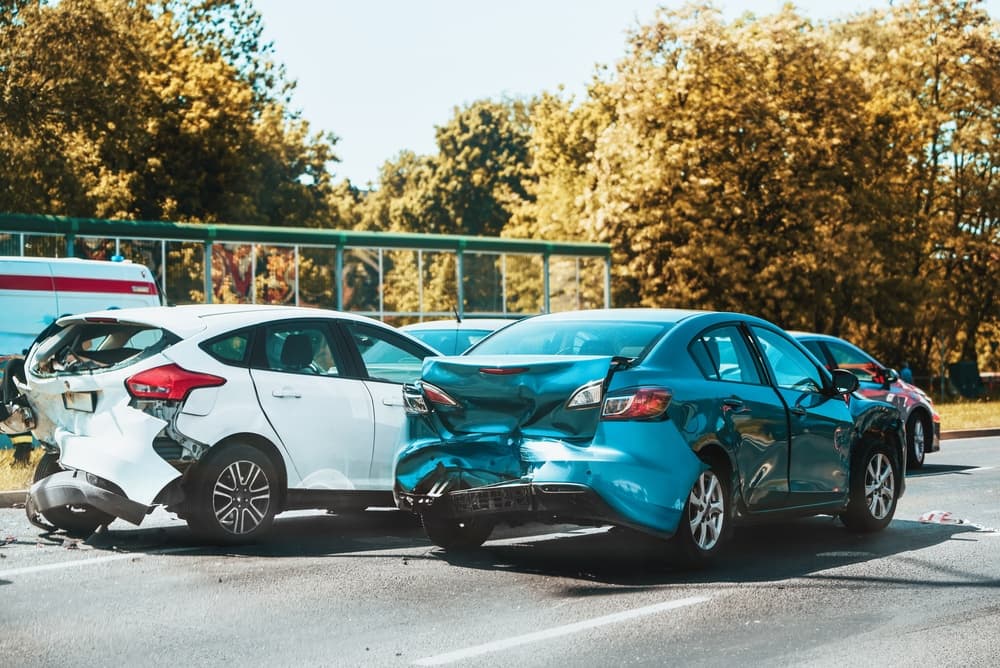
Right after a collision, drivers have to make a handful of quick decisions, and near the top of that list is whether to involve law enforcement at all, which raises the question: Do you have to call the police after an accident? In Seattle, it depends on what happened. Washington law requires a report when an injury, death, or damage exceeds a certain dollar threshold, even though a 911 call is not required for every minor fender bender.
At Colburn Law – Accident and Injury Lawyers, our Seattle car accident lawyers can help clarify what Washington law requires and walk you through the next steps in your situation.
Colburn Law is here to help. Get the justice and compensation you deserve—serving Seattle and all of Washington!
Not every decision after a crash is equally important, but calling 911 when someone is injured is the first priority, and drivers should also call when vehicles block active traffic lanes, when the scene poses an ongoing danger, or when the other driver appears impaired, drives away, or refuses to share basic information.
An officer who arrives quickly can secure the scene, document conditions, and connect injured people with medical care. Since skid marks fade and memories shift within hours, waiting even a few minutes can mean losing details that may later matter to an insurance adjuster. A fast response, though, is not the same as Washington’s separate requirement to report the collision.
Washington requires a collision report when a crash causes injury, death, or at least $1,000 in apparent damage to one person’s property, a threshold set under RCW 46.52.030. This is separate from the decision to call 911, which asks an officer to come to the scene, while reporting a collision is a formal, ongoing duty that applies whether or not an officer ever responds.
Meeting this threshold does not mean a patrol car needs to arrive immediately, as many qualifying crashes are minor enough that officers can direct drivers to file the paperwork themselves. A collision report documents that an incident occurred and identifies who was involved, though it does not, on its own, decide who caused the crash.
When no officer investigates or files a report at the scene, this duty falls to the drivers themselves. According to the Washington State Department of Licensing, anyone involved in a qualifying crash must submit a Motor Vehicle Collision Report within four days, and missing this window can create complications later, particularly if an insurer questions whether the crash was ever reported at all.
A minor fender-bender does not always meet the $1,000 damage threshold, so do you have to call the police after an accident this small? Not always. If the damage remains under $1,000 and no one reports pain, a police report may not be required, though requesting a police response can still help if the other driver disputes what happened or leaves before exchanging information. Small-looking damage can sometimes hide mechanical problems or injuries surfacing days later.
Even without a police report, drivers can still file a claim if the crash fell below the reporting threshold or if no officer ever responded to the scene. In these cases, insurers typically rely on other evidence instead, such as photographs, repair estimates, witness statements, and the other driver’s insurance information. This kind of claim is not automatically weaker; rather, the burden falls more on what each driver documented at the scene.
Timestamps, photos of both vehicles, and a written account of what happened can give the adjuster concrete details to work with, and legal guidance can help determine which additional evidence may strengthen a claim.
Client Reviews


If you only contact one lawyer after an accident, I would tell you to contact Greg Colburn.
What can I say – Greg put in a vast amount of effort to accomplish what I thought would be an impossible feat. He was able to get the result I wanted and the settlement I could have only dreamed of – If you only contact one lawyer after an accident, I would tell you to contact Greg Colburn and you wont be sorry!!!! Thank you so very much.
If you are still asking, “Do you have to call the police after an accident?”, the answer depends on injury, damage, and timing. The team at Colburn Law – Accident and Injury Lawyers can help Seattle drivers understand what reporting requirements apply, how to handle missing paperwork, and what to do when a claim is disputed. Call (206) 919-3215 today for a free consultation, and let a Seattle car accident lawyer review what happened and explain the next steps.
Greg Colburn’s path to personal injury law is rooted in personal experience. After a devastating fall left him in a wheelchair for two years, he took on insurance companies and legal obstacles to win his own case. That journey inspired him to fight for others facing similar challenges. Today, Greg is dedicated to helping injury victims hold negligent parties accountable and secure the justice they deserve.
Years of Experience: 20 years
Super Lawyers Profile: Greg Colburn

This page has been written, edited, and reviewed by a team of legal writers following our comprehensive editorial guidelines. This page was approved by attorney, Greg Colburn who has more than 20 years of legal experience as a Washington Personal Injury Attorney.
Key Takeaways Washington drivers must adjust speed and driving behavior for icy roads, including black ice. Sliding on black ice does not automatically eliminate...
Key Takeaways Insurers refuse whiplash claims over fault, causation, treatment timing, or evidence gaps. Delayed symptoms or normal imaging do not disprove a whiplash...
Key Takeaways Call 911 immediately when injuries appear, even minor ones, since adrenaline often masks pain for hours. Washington requires drivers to exchange information...
Key Takeaways Settlements for straightforward car accidents in Seattle with clear liability and minor injuries typically resolve within three to six months. Complex Seattle...
We will come to your home, a coffee shop, or your hospital room, whichever works best for you. We’ll discuss your legal options, and if we should decide to move forward, we will offer our services on a contingency-fee basis.
 call us 206-919-3215
 Message Us
 Call Us