
No Fees Unless We Win
No Fees Unless We Win

personal injury lawyer
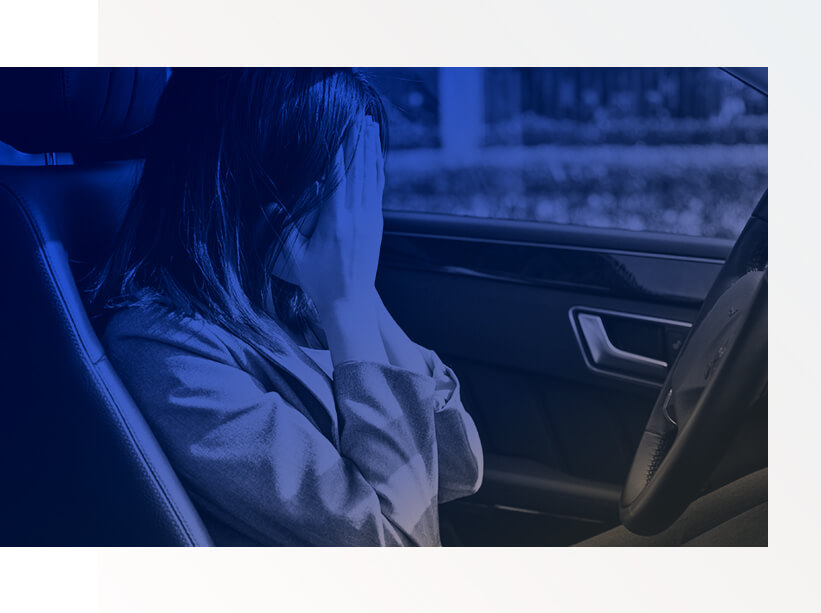
A car accident can be earth-shattering to those who survive. In a split second, your life can completely change. You no longer feel safe in your car, and might be afraid to drive for weeks or months afterward. You might have suffered serious injuries that resulted in hospital stays, surgeries, months of recovery, and temporary or permanent disability. Perhaps the worst happened, and you lost a loved one. Car accidents are so much more than two bodies of metal colliding – they are emotional and highly traumatic events. As such, post-traumatic stress disorder (PTSD) is a common issue after car accidents in Seattle.
Post-traumatic stress disorder is a psychological health problem that some people experience after living through or witnessing a life-threatening event. While it’s perfectly normal to feel scared, nervous, or anxious directly after a car accident, if these feelings and related symptoms last longer than a few months, you could have PTSD. PTSD affects people differently depending on their personalities and the type of traumatic event. It can result in symptoms such as:
PTSD often causes feelings of depression, anxiety, hopelessness, despair, detachment, shame, or guilt. It can even cause physical problems such as chronic pain. PTSD after a car accident can make it difficult or impossible to move on with your life, have good relationships with others, and rebuild after a serious crash.
Studies of PTSD and motor vehicle accidents found that about 9% of crash survivors develop post-traumatic stress disorder. According to at least one clinical study, however, the percentages are much higher – around 25%-33% of survivors showed signs of PTSD at least 30 days after their accidents. An average of 60% of survivors who seek mental-health treatment experience post-accident PTSD. In one study, 27% of car accident survivors with PTSD had additional anxiety disorders, and 15% had phobias of driving.
Car accidents can cause PTSD or prolonged emotional distress because of the potential life threat of these events. Physical injuries, losses of significant others, or just the threat of these things can be enough to trigger a mental reaction that lasts for months. The odds of developing PTSD increase with the severity of the crash. Other factors that can affect the development of this problem are the person’s ability to cope with traumatic events, level of social support, rate of recovery from injuries, and the level of engagement in work and social activities.
In Washington, the courts permit injured car accident survivors and family members of deceased loved ones to claim non-economic damages such as PTSD. Emotional distress, physical suffering, and mental anguish are recoverable damages in the eyes of the Seattle courts. These damages fall under the general title of “pain and suffering.” If you receive a PTSD diagnosis from a doctor or therapist, your odds of recovering pain and suffering damages increase. PTSD is a compensable damage in the state of Washington.
To seek recovery for your psychological harms and related costs, such as the cost of therapy sessions, in a car accident claim, retain an experienced attorney. A lawyer can help gather evidence and present a strong case as to why you deserve compensation for car-accident related PTSD.

This page has been written, edited, and reviewed by a team of legal writers following our comprehensive editorial guidelines. This page was approved by attorney, Greg Colburn who has more than 20 years of legal experience as a Washington Personal Injury Attorney.
Key Takeaways Washington drivers must adjust speed and driving behavior for icy roads, including black ice. Sliding on black ice does not automatically eliminate...
Key Takeaways Washington requires a police report only when a crash causes injury, death, or notable property damage. Calling 911 and legally reporting a...
Key Takeaways Insurers refuse whiplash claims over fault, causation, treatment timing, or evidence gaps. Delayed symptoms or normal imaging do not disprove a whiplash...
Key Takeaways Call 911 immediately when injuries appear, even minor ones, since adrenaline often masks pain for hours. Washington requires drivers to exchange information...
We will come to your home, a coffee shop, or your hospital room, whichever works best for you. We’ll discuss your legal options, and if we should decide to move forward, we will offer our services on a contingency-fee basis.
 Message Us
  Call Us