
No Fees Unless We Win
No Fees Unless We Win




When an Uber or Lyft ride ends in a collision, you should not be left fighting a corporate insurer alone. As a Seattle Uber accident lawyer team, Colburn Law represents passengers, drivers, cyclists, and pedestrians injured in rideshare crashes across Seattle and King County.
Our legal team pinpoints the applicable insurance coverage, handles all adjuster communications, and builds a compelling case while you focus entirely on your physical recovery.
If a rideshare crash turned your week upside down, tell us what happened and we will explain your options in a free consultation.

We represent anyone hurt in a crash involving an Uber, Lyft, or similar app-based driver. Each person’s claim starts in a different place, so we sort out where yours fits before anything else.
 You did nothing wrong by getting in the car. Whether your driver caused the crash or another motorist hit you, we pursue the policies that apply, including the coverage the rideshare company must carry during your trip.
If a rideshare driver hit your car, your bike, or you in a crosswalk, we find out what the driver was doing in the app at that moment. That detail decides which insurer is on the hook, and we request the records to prove it.
Drivers get hurt too, often by someone else running a light or following too closely. We look at every source of coverage, including the at-fault driver’s policy, the app company’s policy, and any workers’ compensation benefits that may apply.
When a rideshare crash takes someone you love, the insurance questions do not wait for grief to settle. We work with families on wrongful death claims, handle the communication with every insurer involved, and explain each decision in plain terms.
Our goal is to secure the resources your family needs and to hold the responsible parties accountable, without adding to what you are already carrying.
Colburn Law is here to help. Get the justice and compensation you deserve—serving Seattle and all of Washington!
A few quick steps protect the records your claim will depend on. Do what you can, and leave the rest to us:
We can handle the app report and the insurance calls for you once you reach out.
Establishing the driver’s app status is our priority, as Washington rideshare insurance regulations depend entirely on it. Per RCW 46.72B.180, coverage remains lower while a driver is logged in and awaiting a request, then scales up to a $1 million combined limit the moment a ride is accepted and a passenger enters the vehicle.
The insurance companies know these rules well. They also know that an injured person rarely has the trip records needed to prove which period applied, so we get them. Here is what our team gathers early:
| What we request | Why it matters to your claim |
|---|---|
| 1The company’s log of when the driver logged on and off Key record |
Shows which coverage period was active at the moment of the crash |
| 2Trip details and receipts from your app | Confirms you were a passenger on an accepted ride |
| 3Police report and witness contacts | Establishes how the crash happened and who caused it |
| 4Photos, dashcam, and nearby video | Fills gaps the report leaves and counters shifting stories |
| 5Medical records and bills | Documents the full cost of your injuries |
Washington law requires the rideshare company or its insurer to share those login records during a claims investigation, and we hold them to it. Once we know which policy applies, we present the claim to the right insurer instead of letting several companies point at each other.
Greg Colburn’s path to personal injury law is rooted in personal experience. After a devastating fall left him in a wheelchair for two years, he took on insurance companies and legal obstacles to win his own case. That journey inspired him to fight for others facing similar challenges. Today, Greg is dedicated to helping injury victims hold negligent parties accountable and secure the justice they deserve.
Years of Experience: 20 years
Super Lawyers Profile: Greg Colburn
Rideshare drivers juggle GPS directions, ride requests, and passenger messages, and that juggling causes crashes. Washington’s distracted driving law, RCW 46.61.672, bars drivers from holding a phone while driving and limits use of a mounted device to a single touch or swipe.
We request the driver’s phone and app activity around the time of the crash, compare it against the police report, and look for witness accounts or video showing the driver looking down.
Timestamped app data can show whether the driver was accepting a new ride at the moment of impact. That evidence disappears fast, so we send preservation letters to the company early in the case.
Rideshare claims stall because more than one company has a reason to say the loss belongs to someone else. We step in to keep the claim moving and to stop finger-pointing from eating up your time.
A driver’s personal auto insurer may deny the claim because the driver was working, while the app’s insurer argues the driver was offline. We use the trip and login data to settle that question with records rather than opinions.
An adjuster may call quickly with an offer. We make sure you understand your diagnosis and future care before anyone talks numbers, because a fast settlement usually closes the claim for good.
Our clients come to us with whiplash, concussions, broken bones, back and shoulder injuries, and cuts from broken glass. Some injuries look minor at first and get worse over the following weeks, so we track your treatment closely before valuing the claim. We also document how the injuries affect your work, sleep, and daily routine, because those losses count too.
Rideshare passengers usually ride in the back, where people are less likely to buckle up for a short trip and where side impacts hit hard. An insurer may try to blame a passenger for skipping the seatbelt. We push back, because the driver who caused the crash is still responsible for the harm.
No Fees Unless We Win
You may still have options, and finding them is part of our job. When you are a passenger on a rideshare trip, the required policy includes underinsured motorist coverage from the moment you enter the vehicle until you get out. Your own auto policy may add more protection, even though you were not driving.
We review every policy that could apply and explain how they stack. If an uninsured or hit-and-run driver caused the crash, our team handles uninsured motorist claims against your own insurer as well, which can feel adversarial even though it is your coverage.
Most rideshare claims resolve through settlement, but the timeline depends on your treatment and how quickly the insurers cooperate. We give you an honest estimate once we see your injuries and the coverage picture. Our article on how long a car accident settlement takes in Seattle walks through the usual stages.
Washington generally gives you three years from the crash to file a lawsuit under RCW 4.16.080, and exceptions can change that date. The state also uses pure comparative fault, so if an insurer claims you share some blame, your recovery is reduced by that share rather than wiped out. We push back hard on inflated fault arguments.
Yes. We represent people hurt in Uber and Lyft crashes throughout King County, including Bellevue, Issaquah, Redmond, and the I-5 and I-405 corridors. Our offices in Seattle and Issaquah keep us close to most of the places riders get picked up and dropped off.
Busy pickup zones at Sea-Tac Airport, stadiums, and concert venues produce a lot of low-speed collisions and pedestrian strikes. These crashes often involve several vehicles and crowded curbs, and we move quickly to collect video and witness information before it disappears. Airport and venue security footage is often overwritten within days.
 Rideshare cases reward a firm that moves fast on records and knows Washington insurance law. That is where we put our effort, and it is how we keep insurers from controlling the story.
Car crashes are the center of our practice, and our Seattle car accident lawyers bring that same work to every rideshare case. No lawyer can promise a particular result, but we can promise you a team that does the work. Schedule a free consultation to talk through your crash.
 Personal Injury Attorneys Near Me in Washington State

You may be entitled to compensation for medical bills, lost wages, and more. A trusted personal injury attorney near me can help you protect your rights and guide you through the process.
Contact us today to speak with an experienced attorney and get the support you need to move forward.
Talking with a lawyer before you give a recorded statement to Uber’s or Lyft’s insurer protects your claim, because early statements are often used to minimize injuries or shift fault. Colburn Law can take over communication with the insurer and request the trip records before you answer detailed questions.
Colburn Law handles rideshare accident cases on a contingency-fee basis, so you pay no attorney fee unless we recover compensation for you. The first consultation is free, and we put the fee terms in writing before you sign anything.
Colburn Law represents rideshare drivers hurt by careless motorists, and a driver may have more than one claim at the same time. Washington extended workers’ compensation coverage to many rideshare drivers, so we look at a possible Department of Labor and Industries (L&I) claim alongside the claim against the at-fault driver.
A crash with a food or package delivery driver can be harder to sort out, because coverage depends on the company’s policy and the driver’s own insurance rather than the passenger rules. Colburn Law requests the app records and the policy information to identify which insurer is responsible.
You can still bring a rideshare injury claim in Washington even if you did not report the crash in the app, as long as you act within the legal deadline. Reporting soon helps preserve trip data, so Colburn Law can make that report and send preservation requests as part of starting your claim.
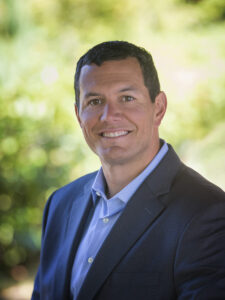
Greg Colburn, Rideshare Accident Lawyer
You should not have to referee a fight between insurance companies while you are trying to heal. Colburn Law will gather the records, deal with the adjusters, and keep you informed at every step.
Reach out to our Seattle office to schedule your free consultation, and let us handle the rest.
Our Seattle Office
IBM Building
1200 5th Ave, Suite 1400
Seattle, WA 98101
Client Reviews


If you only contact one lawyer after an accident, I would tell you to contact Greg Colburn.
What can I say – Greg put in a vast amount of effort to accomplish what I thought would be an impossible feat. He was able to get the result I wanted and the settlement I could have only dreamed of – If you only contact one lawyer after an accident, I would tell you to contact Greg Colburn and you wont be sorry!!!! Thank you so very much.

We will gladly meet you at the hospital, at your home, or at a coffee shop. We believe meeting a client at his or her home helps us fully understand our client’s story.

You’ll have direct communication with our team. We will know every client’s story because we’ll take the time to listen and understand.

We are passionate about ensuring the best possible results for each and every client, no matter the case size.

This page has been written, edited, and reviewed by a team of legal writers following our comprehensive editorial guidelines. This page was approved by attorney, Greg Colburn who has more than 20 years of legal experience as a Washington Personal Injury Attorney.
We will come to your home, a coffee shop, or your hospital room, whichever works best for you. We’ll discuss your legal options, and if we should decide to move forward, we will offer our services on a contingency-fee basis.
 call us 206-289-9877
 Message Us
 Call Us